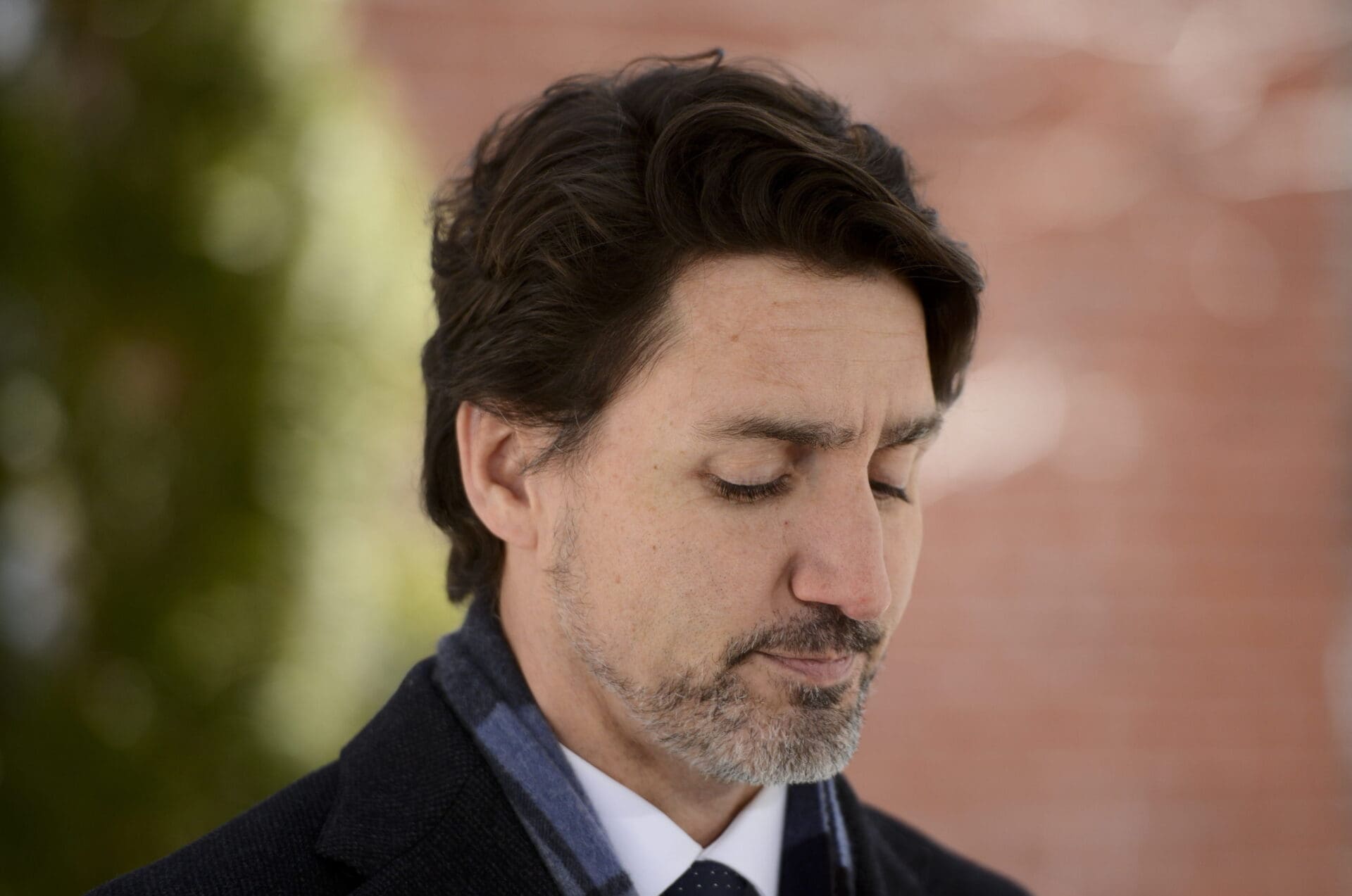
In a major political shakeup, Canadian Prime Minister Justin Trudeau announced his resignation after nearly a decade in office, citing internal party struggles and a loss of public confidence. Trudeau’s departure comes as his Liberal Party faces record-low approval ratings and backlash over the economy, surging immigration and sweeping gun control measures that have alienated law-abiding gun owners across Canada. For many in Canada’s firearms community, this political turbulence signals a hopeful end to the Liberal Party’s contentious gun bans and confiscation programs.
Trudeau’s tenure has been defined by policies aimed at restricting firearms ownership, including the 2020 ban on over 1,500 models of so-called “military-grade assault weapons.” Most recently, the government added 324 additional models to the list, some of which were previously classified as “non-restricted” or “restricted.” According to Public Safety Canada, affected firearms must be surrendered under a mandatory buyback program by October 2025, or owners risk criminal liability. TheGunBlog.ca described the program as “one of the biggest crackdowns against honest citizens by any democracy in history, outside of war.”
The implementation of these measures has been chaotic at best. Businesses holding prohibited firearms have faced tight deadlines for compensation claims, convoluted shipping regulations and inadequate guidance from the government. Compensation for individual gun owners remains murky, with Public Safety Canada yet to publish a detailed plan. Critics argue the government’s mishandling of the program underscores its broader failure to respect lawful gun ownership.
Trudeau’s resignation reflects growing discontent within his party and among Canadians. A Dec. 30 poll revealed that just 16% of decided voters supported the Liberal Party, the lowest in its modern history. Approval ratings for Trudeau himself have plummeted to an all-time low of 22%, with 46% of Canadians and 59% of Liberal supporters believing it’s time for him to step aside. Canadian political analyst Scott Reid summed up the sentiment, stating, “The writing is on the wall. It’s on the ceiling, it’s on the carpet, it’s everywhere.”
The National Rifle Association’s Institute for Legislative Action (NRA-ILA) and other gun rights advocates have long opposed Trudeau’s gun control policies. In a statement following his resignation, the NRA-ILA criticized the Liberal government’s measures as a “hollow display of security” that unfairly targets law-abiding gun owners without addressing crime. They also noted the significant reduction in the estimated cost of the confiscation program—from CAD $1.8 billion to just $597.9 million—suggesting the government is minimizing its financial burden at the expense of fairness to gun owners.
For Canadian gun owners, hope now rests with the opposition Conservative Party, which has vowed to repeal Trudeau’s restrictive measures if elected. The Canadian Shooting Sports Association emphasized that gun owners are not required to surrender their firearms until the October 2025 amnesty expires.
“The incoming Conservative government has publicly stated they will reverse all of Trudeau’s gun control measures that target our community,” the association reminded its members.
Jason Ouimet, Executive Director of the NRA-ILA, pointed out that the debate in Canada mirrors a larger issue of gun rights across borders.
“The U.S. Supreme Court recently affirmed that the fundamental right to keep and bear arms does not stop at a person’s front door,” Ouimet said. “Canada’s Liberal government’s policies are a stark reminder of what can happen when politicians lose sight of the rights of lawful citizens.”
While the future of Canada’s gun laws remains uncertain, one thing is clear: Trudeau’s departure marks a turning point. Whether his resignation leads to meaningful change or merely a continuation of the status quo will depend on the outcome of the next election. For now, Canada’s firearms community can cautiously hope for a better chapter ahead.
