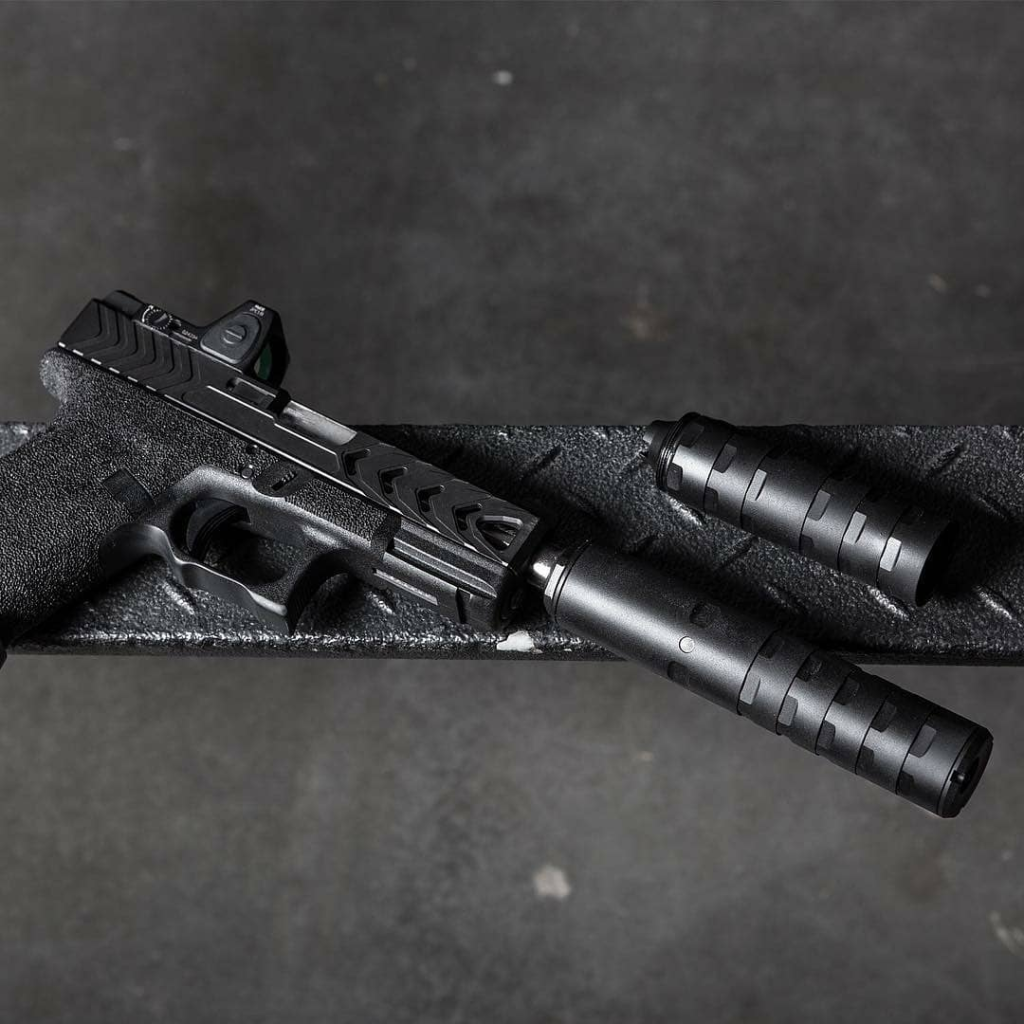
There are typically two schools of thought when it comes to matching up suppressors with firearms.
Some people like to have one suppressor for every gun they want to suppress. 22LRs for the rimfire guns, 5.56 for the AR, and of course a .30 caliber suppressor too! On the flip side of that, you have people who try to maximize suppressor coverage by buying the biggest diameter suppressor they can, and then just getting extra adapters to make it work on smaller caliber firearms. Modular suppressors sort of try to do the same thing, but instead of having to live with one length and one overall volume, modular suppressors typically allow you to change the overall length of your suppressor, making it a better fit for lighter firearms or reducing the impact that a suppressor has on the overall length of a likely already pretty long firearm.
Today, we’ll go over what a modular suppressor is, and also take a look at some use cases where I think they fit in perfectly in most people’s inventories.
The Modular Basics
Virtually all modular suppressors share the same exact concept – swapping out parts to make the suppressor perform differently. Sometimes this comes in the form of a simple end cap and or mount swap, and sometimes it comes down to removing or adding one or more sections of the suppressor, to change its overall length. For the purposes of this article, we’re mostly going to be talking about the latter definition.
Modular silencers actually have to follow some pretty strict guidelines for how they go together. To avoid basically selling people two suppressors, no matter what configuration is used, the combination of the original parts can only be assembled into one device at a time. This means the “extra parts” remaining after assembly cannot be assembled into a second suppressor. The threads on the mount/blast chamber assembly often differ from the threads on each baffle segment, ensuring only one functional suppressor can be configured at a time.
Some examples of this are the SilencerCo Switchback and the JK Armament CCX series of suppressors, which sometimes have upwards of 8 or 9 different pieces, all of which need to follow the unwritten rule that there is no way to turn the extra parts into a second suppressor. Most of the time, that means the blast baffle or sometimes even the mount is typically the registered/serialized part, and it’s always going to be the only part that can be attached to a muzzle.
Legal hoops aside, the same principle applies to all modular suppressors. You’re simply trying to make the thing more effective at whatever your goal is, whether that be overall length, weight, sound suppression, or even as part of tuning the rifle it’s on. In general, shorter barrels will benefit from longer suppressor configurations for maximum sound reduction, while longer barrels can utilize shorter suppressor setups since the muzzle is already farther from the shooter’s ear.
Why & When To Go Modular
Just like any other suppressor, sometimes modular suppressors aren’t the optimal answer. In a pinch, any bore appropriate suppressor with a matching mount can be used in a pinch to at least bring the noise levels down a little bit.
For the longest time, I owned only a single .45 caliber suppressor that I used for everything from my.458 SOCOM that it was originally bought for, to my overbuilt 22LR PRS rifle. Modular suppressors just allow you to do the same thing, but more effectively. So there is definitely merit in the idea, but it’s not always optimal – so when is the right time to buy a modular suppressor?
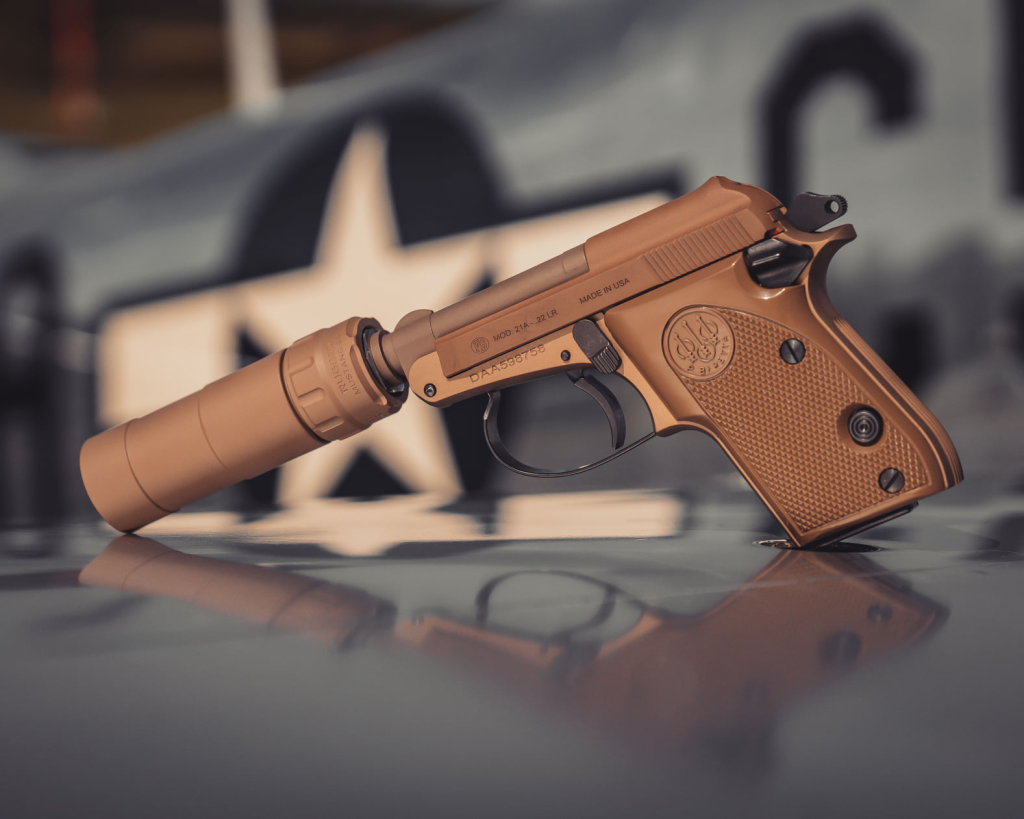
I think it’s quite obvious that the most common use case for modular suppressors is when someone has multiple firearms that could benefit from different suppressor configurations.
If you want a silencer that will spend the hunting season in a short, direct-thread configuration but spends the rest of the year as a full-size, quick-detach can on your favorite Gucci AR, one suppressor can cover both uses and do a half-decent job at it, too. This is particularly valuable for shooters who run both pistols and pistol caliber carbines in the same caliber, or who have both short-barreled rifles and full-length ARs.
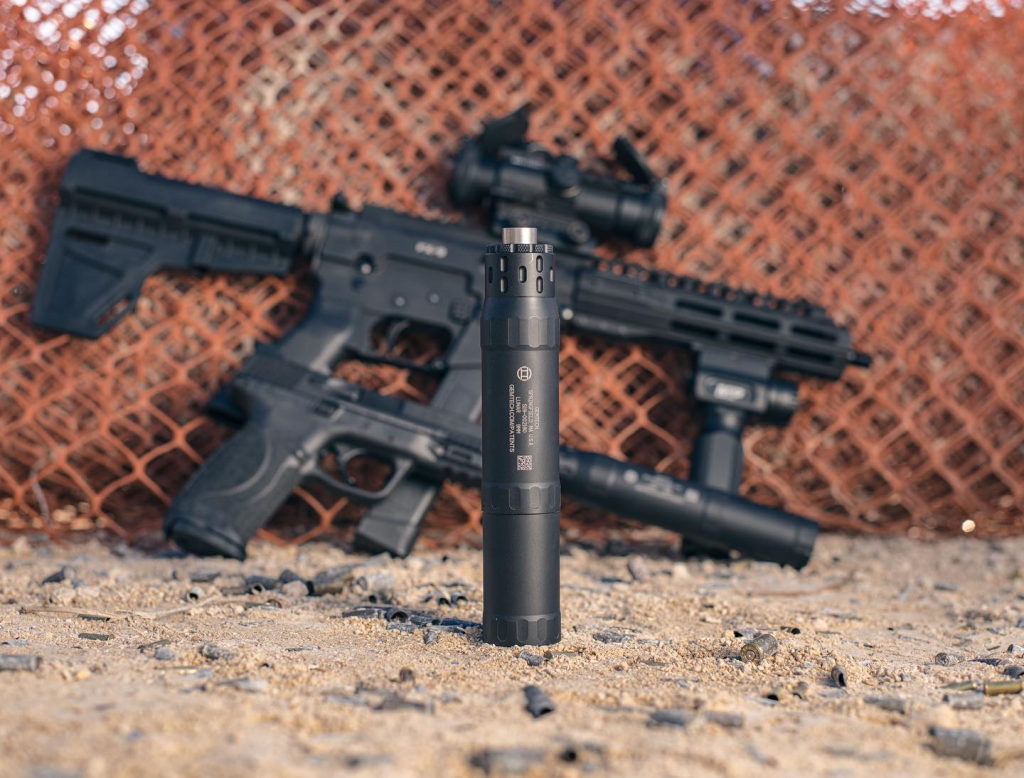
Before the NFA tax on suppressors dropped to $0, there was also the additional benefit of basically having more than one suppressor for only one tax stamp. Since manufacturers have found a way to keep the ATF happy when it comes to adding and removing sections of a glorified tube, modular suppressors have erupted in popularity starting in about 2019 as a way to keep the NFA fun flowing while trying to give as much of a middle finger to the ATF as one could while still playing by their rules. Modular suppressors also happen to satisfy those of us out there who are misers and like to keep our collections neat and efficient.
Is Modular a Meme?
There are a lot of detractors out there when it comes to modular anything in the firearms world. Although people are always finding new ways to give us more options with fewer purchases, there are still some out there who believe the negatives might outweigh the positives, especially now that you don’t have to swallow the additional cost of a tax stamp with a new suppressor purchase.
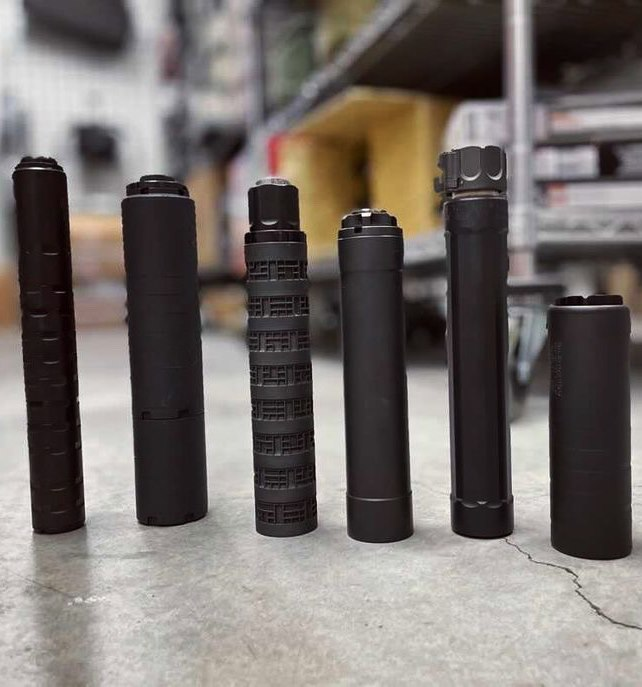
Proprietary tools are sometimes required for disassembly and reassembly, and if you want to change lengths in the range, a crescent wrench may not get the job done. On top of that, do you really want to be spending extra time at the range to unmount a hot or still-cooling suppressor and re-mount it properly to another? Some of us are limited to indoor ranges where time is literally money, and taking precious minutes to swap a hot suppressor between guns is eating away at time you could be running drills.
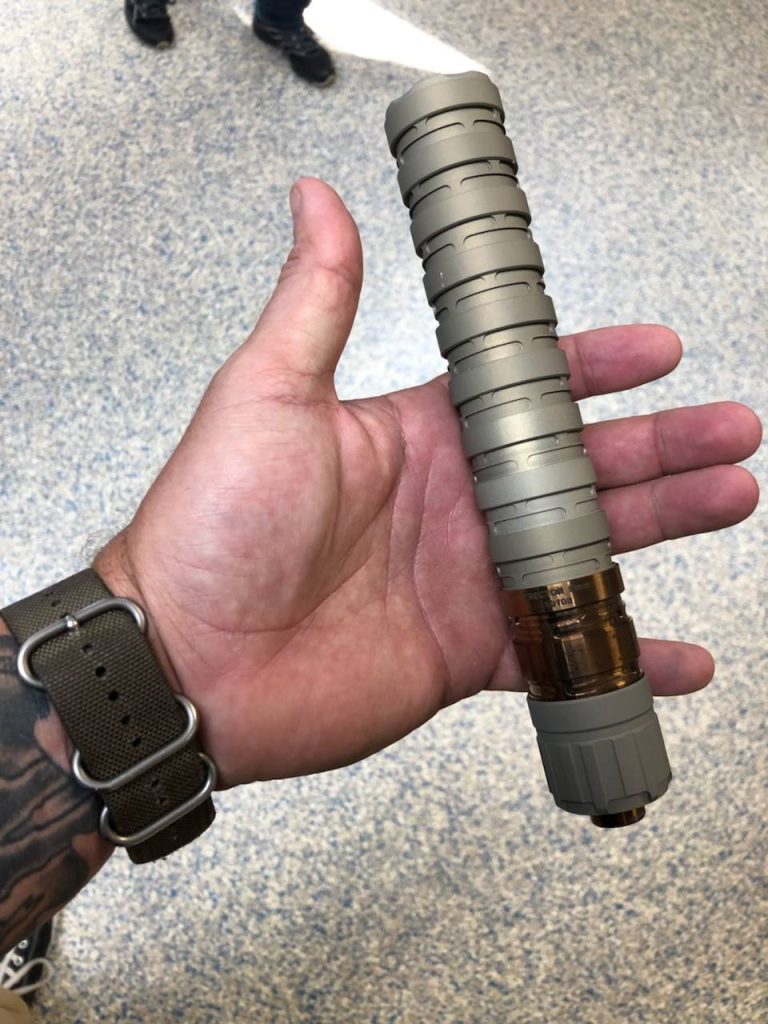
You’ll also have to take into consideration that modularity allows for limited disassembly for cleaning, particularly beneficial for rimfire shooters. Since there’s no tube to push fouled baffles through, each section may be its own baffle, making the cleaning process somewhat easier. While most modern-day rimfire and pistol suppressors can be disassembled for cleaning, centerfire rifle cans are usually sealed, so modularity provides access that wouldn’t otherwise be available, and on top of that, at the end of the day, they still do allow you to adapt your suppressor for different hosts.
Closing Thoughts
In my opinion, modularity really works best (as most suppressors do) in the rimfire and pistol categories, where the benefits of length adjustment and baffle count are most noticeable, and the consequences of added complexity are minimized. I like to keep my expectations realistic when it comes to anything modular, like the often ill-fated P320; the issues solved by the modularity can create additional considerations that may not be appropriate for every user and simultaneously open up the door for improper reassembly or user-induced damage.
However, for shooters who understand what they’re getting into and plan their configurations thoughtfully, and maybe just appreciate saving a few bucks and spending a bit more time, modular suppressors, I think, do offer genuine value that extends well beyond simple marketing hype. I’d like to hear what you guys think, so let us know your thoughts down in the comments!